Ten years ago, many viewers avoided anything with subtitles. Today, millions switch them on even when they understand every word. Streaming platforms, global hits and noisy living rooms have turned subtitles from a niche tool into a normal part of watching television and film. The change says a lot about how audiences and storytellers now connect.
Why More People Use Subtitles
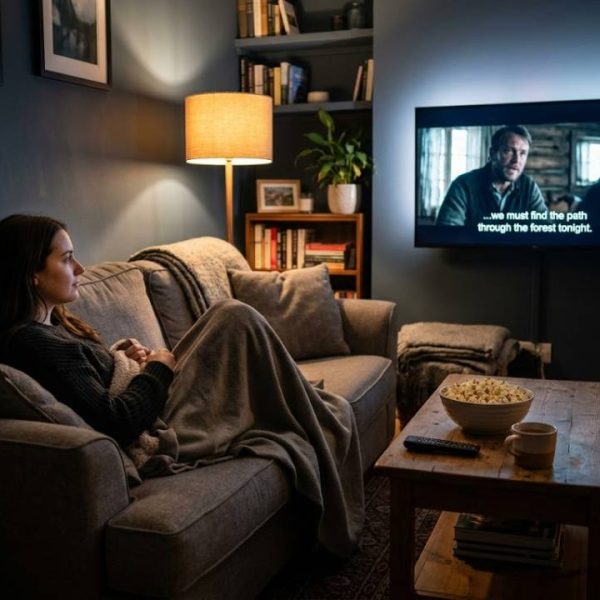
Modern sound mixing favors loud music and quiet dialogue, which makes speech hard to follow on small speakers. Many viewers turn on text simply to catch every line without raising the volume at night.
Others watch on phones in public places, where sound is not an option.
Foreign Hits Broke the Barrier
Series and films from South Korea, Spain, France and India reached huge audiences once streaming made them easy to find. Viewers discovered that reading a few lines is a small price for a great story.
Subtitles did not limit these shows, they carried them around the world, and fans now ask for original audio first.
Subtitles Versus Dubbing
Some countries prefer dubbing, others favor subtitles. Both work when done well. Dubbing keeps your eyes on the picture, while subtitles preserve the actor voice, rhythm and emotion.
Streaming services often offer both so each viewer can choose a habit that feels natural.
The Craft of Reading Speed
Subtitlers must fit a line of speech into limited space and time. Viewers typically read around seventeen characters per second, so long sentences are condensed carefully.
Good subtitles feel invisible. You follow the story and forget you are reading.
Humor and Slang Are Difficult
Jokes, wordplay and local references rarely translate word for word. Translators look for an equivalent effect, even if the words change completely.
This is why a funny scene in one language can fall flat when the subtitle copies the literal meaning.
Working With Asian Dramas
Korean dramas use honorifics, family terms and levels of politeness that English lacks. Subtitlers must decide how much to explain and how much to leave to context.
Projects that need accurate korean to english subtitle translation depend on translators who understand both the language and the social rules behind the dialogue.
Common Errors Viewers Notice
Timing that lags behind speech, missing lines and mistranslated names quickly break the experience. Machine translation without review makes these problems more frequent.
Our article on common Netflix subtitle translation errors lists typical mistakes and shows how studios can avoid them.
Accessibility Comes First
For deaf and hard of hearing viewers, subtitles are essential. They also describe sounds, music and speakers, which standard dialogue subtitles often skip.
Regulators such as Ofcom set expectations for subtitle availability and quality on broadcast services.
Learning Languages Through Screens
Teachers and learners use subtitles to build vocabulary and listening skills. Watching a series in the original language with matching text helps connect sound to spelling.
Switching from native subtitles to target-language subtitles is a simple way to progress.
Festival and Indie Films
Small productions rely on affordable but careful subtitling to reach festivals and distributors abroad. A weak translation can cost a film its chance at a prize.
Directors increasingly budget for subtitles from the start rather than adding them at the last moment.
How Studios Manage Quality
Large projects use style guides, glossaries and review rounds. Names of characters, places and invented terms are fixed early so they remain consistent across episodes and seasons.
Smaller studios can copy this approach with a simple shared document.
Tips for Better Viewing
Adjust font size, background and position in your player settings. Try different languages and compare how scenes are rendered.
If a show matters to you, watch a few minutes with the original audio before deciding on dubbing.
Where Subtitles Are Heading
Artificial intelligence will keep speeding up the first draft, but human editors still shape the final tone. Expect more languages per title and better accessibility options.
The audience for stories without borders keeps growing.
The Role of Streaming Platforms
Platforms now release a series in dozens of languages on the same day. This global launch strategy needs coordinated translation teams, strict deadlines and shared terminology so every version feels equally polished.
Viewers in small markets finally receive the same quality as those in big ones.
What Fans Can Do
Report mistakes through the platform, support original creators and share recommendations in your own language. Community feedback often leads to corrected lines in later releases.
Fan translators also spread awareness of shows that might otherwise stay unknown.
A Quick Checklist for Producers
Plan the languages early, hire specialists with genre experience, allow time for review and test subtitles on real devices. Check line breaks, reading speed and character names.
These steps cost little compared with the damage a bad translation can do to reviews.
Watching Together Across Languages
Families with several languages at home often use subtitles to share one screen. Grandparents, children and guests all follow the same story without anyone being left out.
That shared experience may be the best argument for text on screen.